
Selling a Home in North Reading With a Smoother Path to Closing
May 28, 2026
May 28, 2026
If you are thinking about selling a home in North Reading, you are probably asking the same big questions most sellers do: When should you list, what should you fix, and how do you avoid delays once you accept an offer? In a market where buyers move quickly but compare every detail online, the right plan can make a real difference. This guide walks you through what to expect from preparation to closing in North Reading, with a focus on smart pricing, polished presentation, Massachusetts requirements, and a smoother path to the finish line. Let’s dive in.
North Reading remains a relatively tight seller’s market based on spring 2026 data. Realtor.com reported 34 homes for sale in March 2026, a median list price of $649,900, a median price per square foot of $477, and a 100% sale-to-list ratio. Redfin reported a median sale price of $749,000, up 17.8% year over year, with homes averaging 24 days on market.
Those numbers come from different sources, so they do not match exactly. Still, they point in the same direction: buyers are active, and well-positioned homes are not sitting for long. That makes early decisions about price, condition, and launch strategy especially important.
A strong market does not mean you can price casually. Buyers in North Reading are still comparing photos, room layouts, updates, and value before they decide whether to book a showing or write an offer. If a home feels overpriced at launch, you may lose momentum during the period when attention is highest.
A thoughtful price should reflect current market conditions, recent comparable sales, your home’s condition, and how it will present online. In a market where the average sale-to-list ratio is 100%, the goal is not just to list high and hope. The goal is to enter the market in a way that attracts serious interest and supports a confident offer review process.
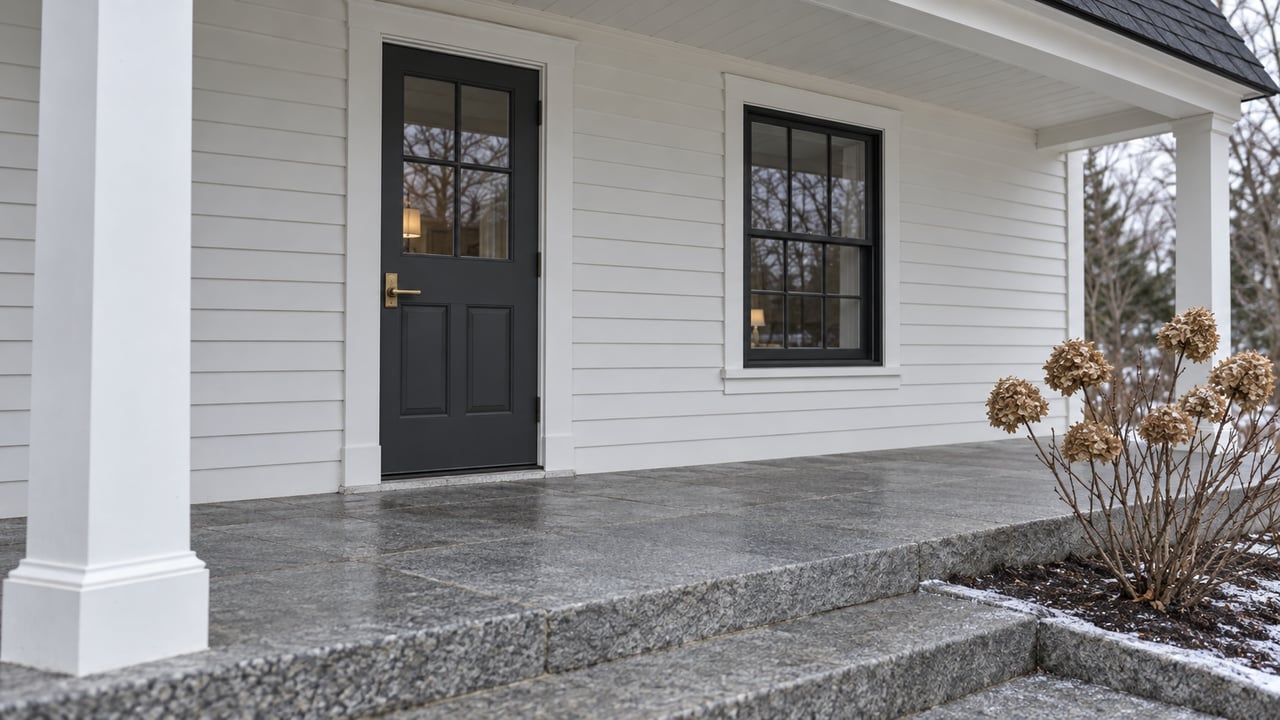
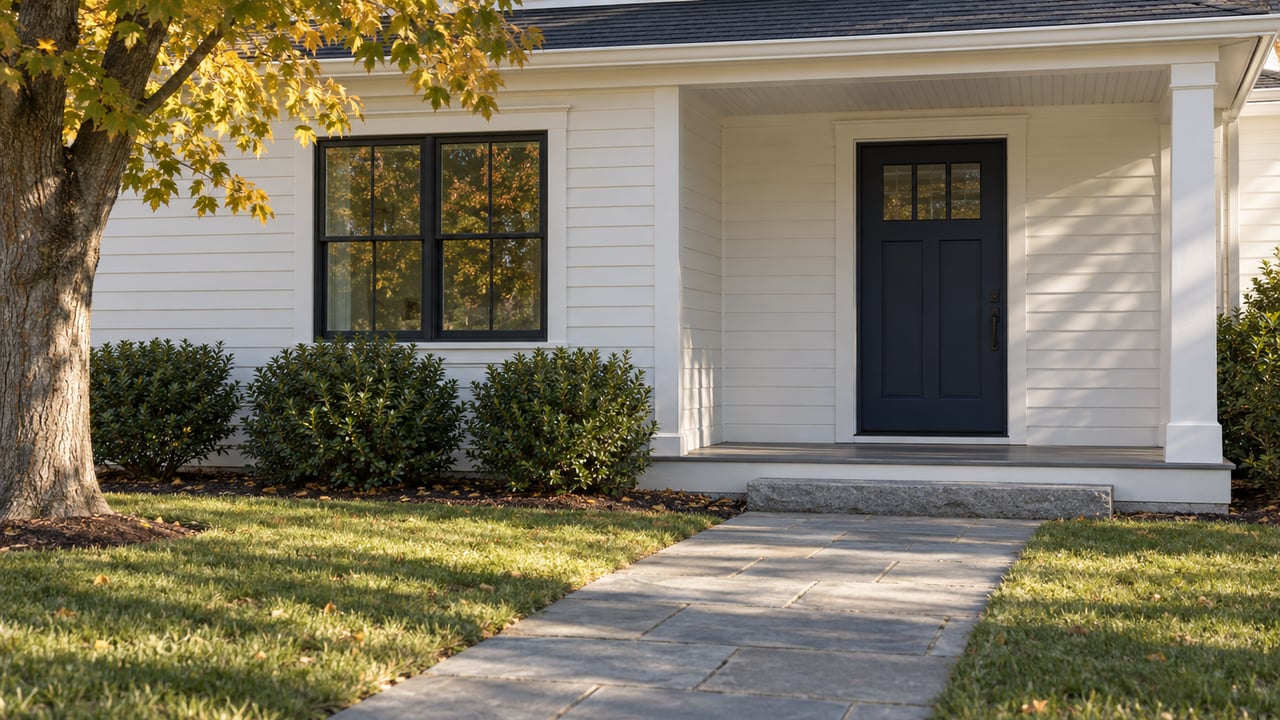
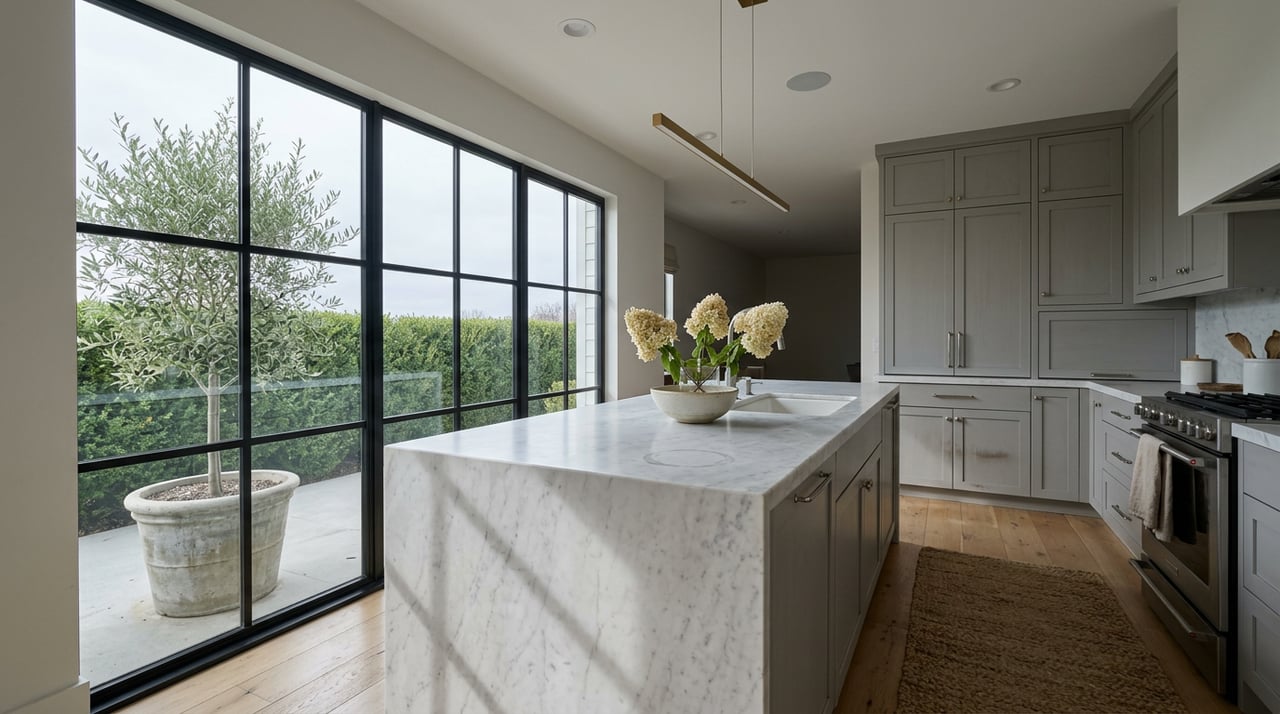
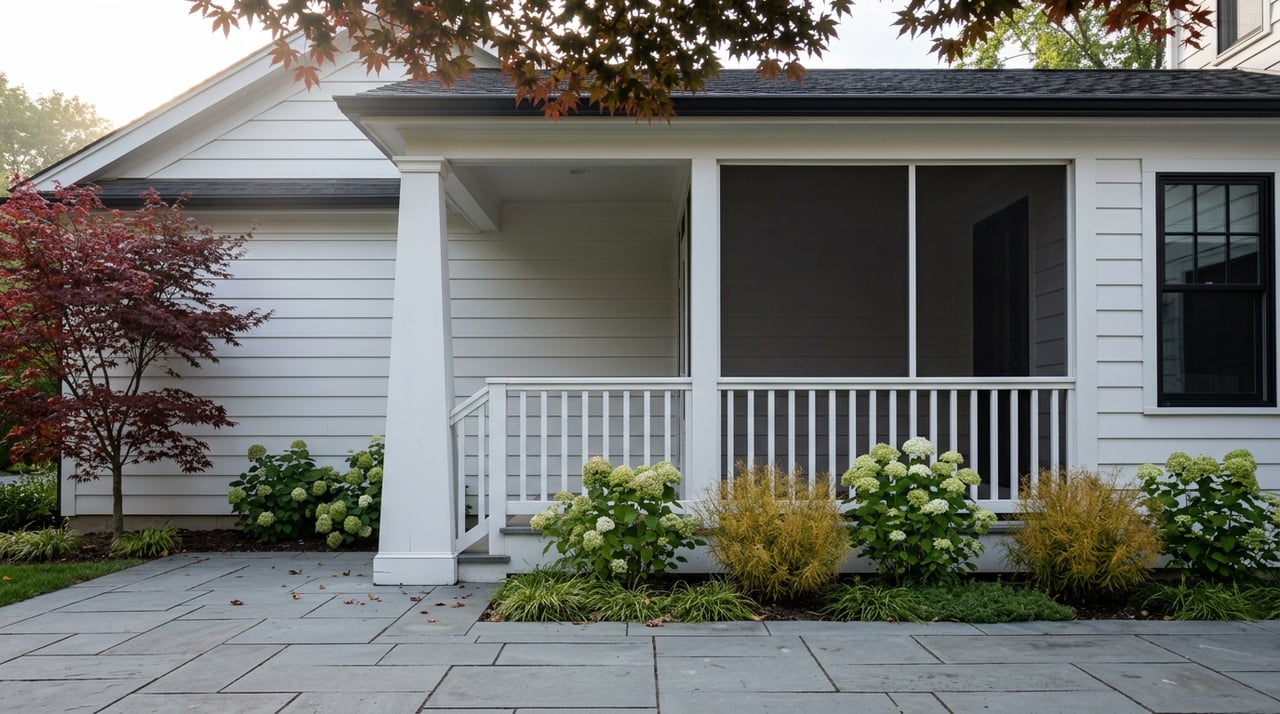
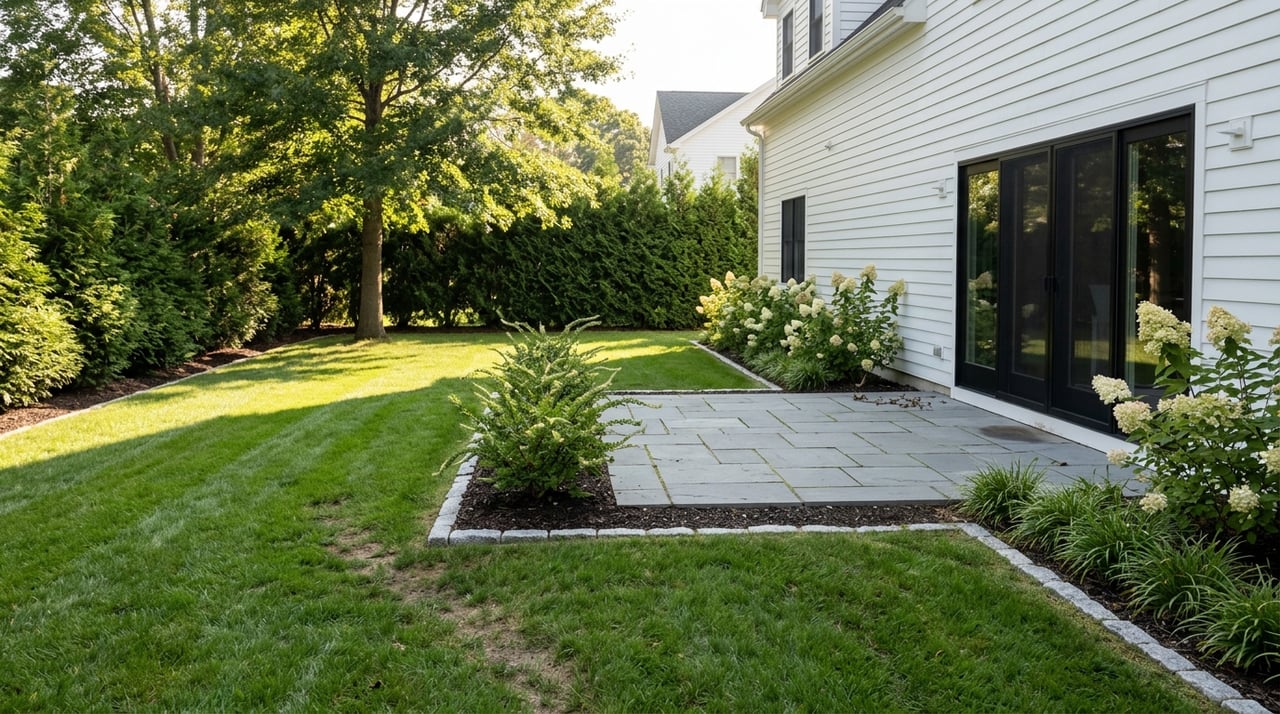
Before your home hits the market, prioritize work that improves how it looks in photos and how it feels in person. Most buyers rely heavily on online search tools, and national buyer research shows that photos and detailed property information are among the most useful parts of a listing. Since many buyers begin their search online, your first showing often happens on a screen.
That is why simple, high-impact preparation matters. In many cases, the most valuable updates are not major renovations. They are the practical improvements that make your home look clean, bright, spacious, and cared for.
These steps can help your home read better in listing photos and during private showings. They can also reduce buyer distraction, which is important when you want buyers focused on the home itself rather than a to-do list.
In North Reading, a polished launch can help you capture attention before the market moves on to the next listing. That means your home should be fully ready before it goes live, not still being cleaned up after the first weekend. Strong presentation supports your pricing strategy and helps buyers understand the value from the start.
Kimberly Zecher’s listing approach is built around staging guidance, professional photography, digital exposure, and strategic positioning. That matters in a market where buyers expect fast access to quality photos and clear property details. When your home is presented well from day one, you give yourself a better chance of attracting strong, informed interest.
Massachusetts is not a broad mandatory seller-disclosure state. According to Mass.gov, a seller’s main affirmative disclosure obligation is lead paint. State guidance also says that if a prior sale fell through because of a home inspection, that fact must be disclosed to later prospective buyers.
For homes built before 1978, lead-paint rules are especially important. Sellers and agents must disclose any known lead-based paint information and use the required federal disclosure form before the contract is signed. If you have any reports, records, or compliance documents related to lead paint, it is wise to gather them early.
That does not mean you should wait until an offer arrives to get organized. A cleaner process usually starts with having your key property information, service records, and required forms ready before you list.
Once you accept an offer, the next stage can move quickly. Massachusetts requires a home-inspection disclosure brochure to be distributed at the signing of the first written contract to purchase, and buyers commonly hire a home inspector soon after the offer is accepted. That means inspection-related negotiations are a normal part of the process.
The inspection itself is limited in scope and depth, but it can still shape the next round of conversations. Buyers may ask for repairs, credits, or price adjustments based on what they learn. Even in a strong market, it helps to expect this possibility rather than assume the deal is fully settled once you sign an offer.
Being proactive does not guarantee a perfect inspection. It does help reduce surprises and make negotiations easier to manage.
Today’s buyers do not just need to know that a home is available. They want to understand what it offers, how it lives, and whether it fits their needs before they schedule time to see it. Research cited in the report shows that buyers value photos, detailed property information, and quick communication.
That means your marketing should do more than place the home in the MLS. A strong launch includes professional visuals, clear listing copy, room-level context, and responsive communication once the home is live. In a market like North Reading, where homes are still moving in about 24 days on average according to Redfin’s March 2026 data, the first impression carries real weight.
The highest offer is not always the strongest offer. In Massachusetts, timing and terms matter because the process moves into inspection and attorney-driven closing steps soon after acceptance. A deal that looks great on paper can still become stressful if financing is weak, contingencies are heavy, or the timeline does not fit your plans.
When comparing offers, look at the full picture. That includes the offered price, financing strength, contingencies, flexibility on closing date, and the overall likelihood of a smooth closing.
A slightly lower offer with cleaner terms may be more attractive than a higher offer that feels unstable. The best choice is often the one that balances value with confidence.
Massachusetts closings are attorney-driven. State law says that a residential closing in the commonwealth must be directed or managed by a Massachusetts-admitted attorney. For sellers, that means legal and title coordination is a standard part of the closing process, not an optional extra.
Another important step is the smoke-and-carbon-monoxide inspection. Mass.gov says sellers need a certificate of compliance from the local fire department showing the alarms meet sale or transfer requirements. This should be scheduled early enough to avoid last-minute issues.
If your home was built before 1978, be prepared to include any required lead-paint forms and known documentation in the closing package. As closing approaches, details matter more, not less.
One cost that often surprises sellers is the Massachusetts deeds excise tax. The state rate is $2.28 per $500 of consideration, or fraction thereof, above $100. For a $749,000 sale, that works out to roughly $3,415 in deeds excise tax before other seller costs.
It also helps to remember that carrying costs continue until closing day. North Reading’s FY2026 residential property tax rate is $13.02 per $1,000 of assessed value, so waiting to list, delaying a smoke and CO inspection, or losing momentum after going under agreement can have a real cost. Good planning can protect both your timeline and your bottom line.
Selling a home in North Reading is not just about putting a sign in the yard. It is about pricing with discipline, preparing the home to shine online and in person, understanding Massachusetts rules, and staying ahead of the steps that can slow a closing down. In a market where demand is still active, that kind of preparation can help you move forward with more clarity and less stress.
If you are considering a move, the best first step is often a strategy conversation focused on your home, your timing, and the level of preparation that makes sense for your goals. For polished guidance on pricing, presentation, marketing, and negotiation in North Reading, connect with Kimberly Zecher.
Stay up to date on the latest real estate trends.




Work with a dedicated real estate professional who understands the Massachusetts and New Hampshire markets. From start to finish, you’ll get expert guidance, clear communication, and a strategy tailored to your goals.