Moving From MA to Windham NH: Plan for the Transition
July 2, 2026
July 2, 2026
Thinking about trading Massachusetts for Windham, New Hampshire? You are not alone, and the move can feel simple on a map but much more layered in real life. From home prices and property taxes to commuting patterns and cross-border closing details, a move like this works best when you know what to expect before you start. Let’s dive in.
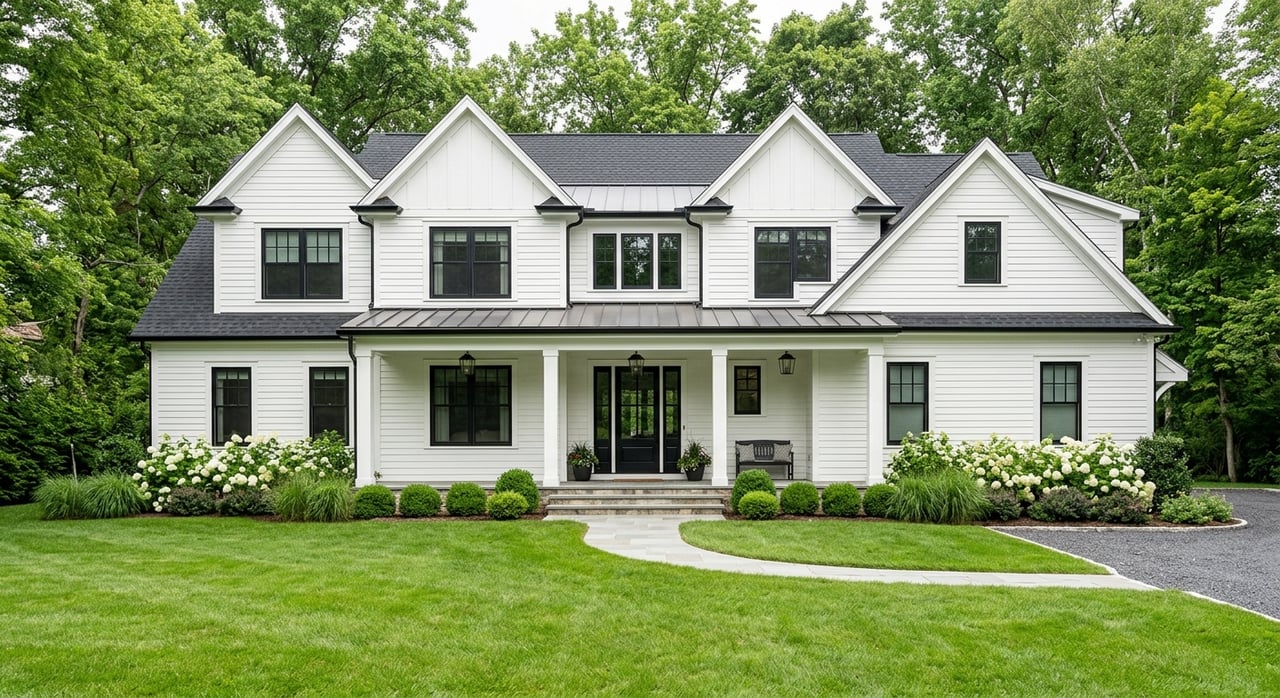
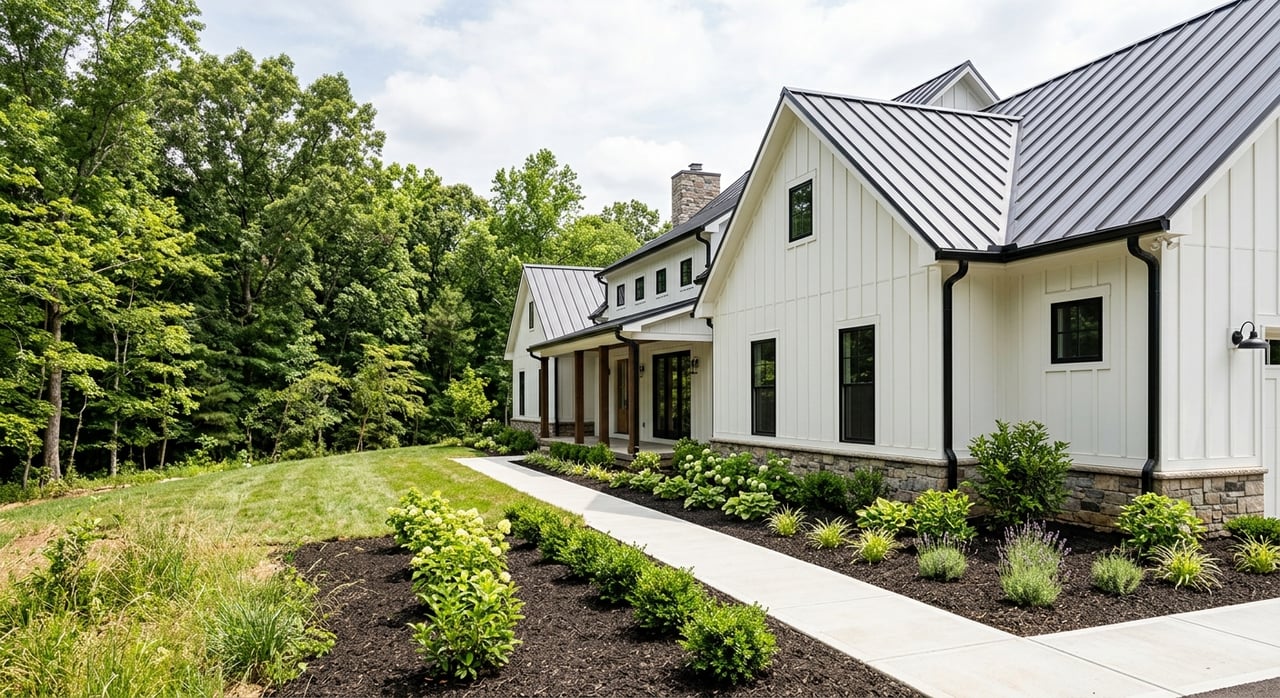
If you are moving from many parts of Massachusetts, one of the first things you may notice about Windham is how strongly the town leans toward detached homes and owner-occupied living. Windham’s 2024 population estimate is 16,208, and 93.9% of housing is owner-occupied. That is well above the statewide owner-occupancy rate in New Hampshire.
The housing stock also helps shape the feel of the market. Windham had 5,753 housing units as of September 2022, and 86.7% of them were single-family detached homes. Average household size is 2.9 people per unit, which fits the town’s more spread-out residential pattern.
Windham’s zoning helps explain why the town often feels more spacious than denser suburban areas south of the border. Standard residential lots commonly range from 20,000 square feet in some medium-density settings with public water to 50,000 square feet in farm-residential areas, with larger country lot requirements in several districts.
That does not mean every home sits on a huge parcel, but it does mean you should expect a market shaped by land, setbacks, and lower-density development. If you are coming from a community with more attached housing or tighter neighborhood spacing, Windham may feel different in both layout and inventory mix.
Windham is not an entry-level market by New Hampshire standards. Census data shows a median owner-occupied home value of $723,300, compared with $402,500 statewide. In practical terms, that means your housing budget may need to reflect a more premium suburban market even though you are leaving Massachusetts.
More recent market data points to even stronger pricing pressure in the current resale market. The New Hampshire Association of Realtors reported a May 2026 median single-family sales price of $905,000 in Windham. That same report showed 21 homes for sale, 1.6 months of inventory, and homes selling in a median of 21 days.
If you are buying in Windham, inventory conditions matter just as much as headline price. A 1.6-month supply is considered tight, which means well-prepared buyers often need to act quickly. The report also showed sellers receiving 98.6% of original list price on average, which signals a market where pricing remains firm.
For you, that means success often comes down to preparation. Before you start touring homes, it helps to understand your timing, your budget, and your flexibility on lot size, home style, and commute. In a market with limited options, clarity matters.
A move to New Hampshire often comes with assumptions about lower taxes or lower overall costs. Some parts of that may be true, but the full budget picture deserves a closer look. In Windham, median selected monthly owner costs with a mortgage are $3,693, compared with $2,367 statewide.
That number is useful because it shifts the conversation away from purchase price alone. If you are planning a move from Massachusetts to Windham, focus on the full monthly payment picture, including mortgage, taxes, insurance, utilities, and maintenance. The right move is not just about what you can buy, but what will feel comfortable month after month.
Windham’s posted 2025 tax rate is $14.15 per $1,000 of assessed value. Using the Census median home value of $723,300, that works out to about $10,235 per year before any exemptions or credits.
New Hampshire also structures taxes differently from Massachusetts in a few important ways. According to the New Hampshire Department of Revenue Administration, the state has no general sales tax, no tax on W-2 wages, and the Interest and Dividends Tax is repealed for tax periods beginning after December 31, 2024. Local property taxes are assessed, levied, and collected by municipalities.
If you are selling in Massachusetts and buying in Windham, expect different tax and closing-cost rules on each side of the transaction. Massachusetts has a 6.25% sales and use tax, and the state deeds excise is $2.28 per $500 of consideration when you sell. New Hampshire, by contrast, imposes a real estate transfer tax of $0.75 per $100 of consideration on both buyer and seller.
That difference matters because many movers naturally compare purchase prices first and closing costs second. In a cross-border move, both deserve attention early. Your sale in Massachusetts and your purchase in Windham may each carry different tax line items, and planning ahead can help reduce surprises.
One of the biggest stress points in moving from Massachusetts to Windham is not the distance. It is the sequencing. If your Massachusetts sale and your Windham purchase do not line up neatly, the details around closing dates, loan funding, move-out timing, and move-in access can become the real challenge.
Massachusetts guidance notes that closings of certain real estate transactions require substantive attorney participation on behalf of the mortgage lender. That makes it smart to line up the sale side early, especially if you are trying to buy in Windham on a tight schedule. A delay on one side can affect the other.
Because closings are usually the final step in both buying and financing a home, timing is not just about the moving truck. It is also about how funds are released and when each property becomes available. For some buyers, temporary financing may become part of the conversation if the new purchase needs to happen before the old home sells.
This is one reason cross-border moves benefit from a very coordinated plan. The cleaner your sale strategy, financing plan, and purchase timeline are upfront, the more options you usually have when the right home comes on the market.
Windham is a commuter-heavy town, and that is especially relevant if you plan to keep working in Massachusetts. The town’s 2023 master plan reports a mean travel time to work of 35.1 minutes. It also notes that 90% of working residents commute out of town, and 34% of commuters head to Massachusetts.
That pattern tells you something important. A move to Windham can work very well for cross-border households, but commute planning should be part of your housing search from day one. The house itself is only part of the decision.
Route 111 is the main east-west corridor in Windham, and the town has only three crossings over I-93. That may not sound like a big detail, but it can shape your weekday routine, school drop-offs, errands, and drive times in meaningful ways.
If you are comparing two homes with similar price and condition, location within town can have a real impact on convenience. Looking at your likely routes during normal weekday patterns can help you choose more confidently.
For many Massachusetts buyers, Windham checks a few important boxes at once. It offers a mostly detached-home market, larger-lot character, and a strong owner-occupied profile. For households looking for space and a suburban setting while staying connected to Massachusetts job centers, that combination can be appealing.
At the same time, it helps to stay realistic. Windham is not a bargain market, and low inventory can make the process competitive. The goal is not just to move north, but to move with a clear understanding of how this market behaves.
A smoother move usually starts with a plan that covers both states, not just the new address. Before you list, shop, or schedule movers, focus on these basics:
A Massachusetts-to-Windham move is not just a relocation. It is a linked sale-and-purchase strategy across two different markets. The housing stock, pricing, tax structure, and closing process all require careful coordination.
That is where local knowledge can make a real difference. When you understand both sides of the border, you can make better decisions about timing, pricing, negotiation, and how to position yourself in a tight market.
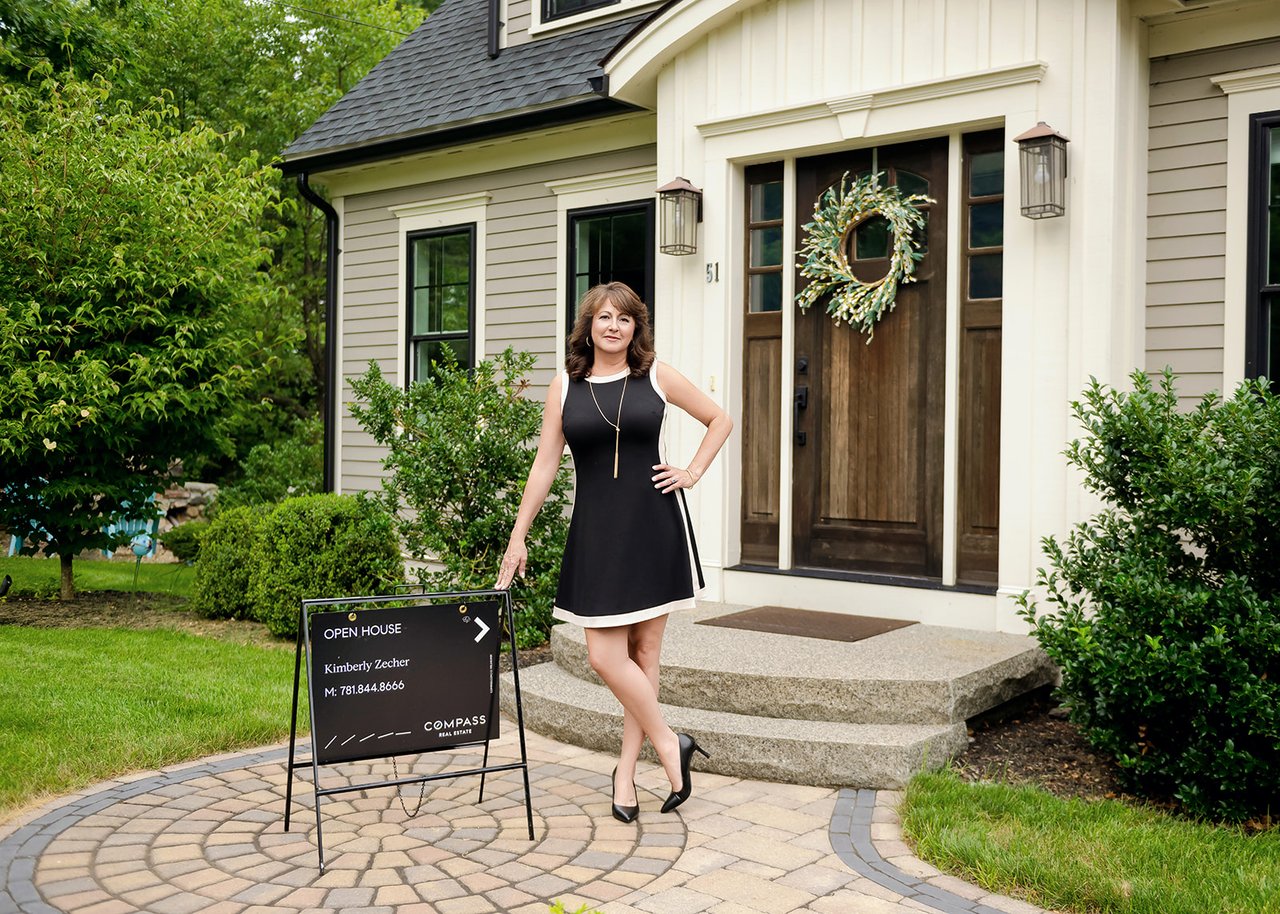
If you are planning a move from Massachusetts to Windham, NH, the right strategy can help you reduce stress and move forward with more confidence. For tailored guidance on selling in Massachusetts and buying in Southern New Hampshire, connect with Kimberly Zecher.
Stay up to date on the latest real estate trends.

Work with a dedicated real estate professional who understands the Massachusetts and New Hampshire markets. From start to finish, you’ll get expert guidance, clear communication, and a strategy tailored to your goals.