Living In Andover MA: Daily Life And Community Rhythm
May 7, 2026
May 7, 2026
If you are wondering what daily life in Andover actually feels like, the short answer is this: it blends suburban space, a walkable town center, strong regional access, and a steady rhythm of community activity. That mix matters when you are deciding where to live, especially if you want both convenience and a real sense of place. In this guide, you will get a clear look at how Andover functions day to day, from commuting and errands to weekends outdoors and the character of its housing. Let’s dive in.
Andover is in Essex County, about 23 miles north of Boston. According to the town, it covers roughly 32 square miles and includes about 223 miles of roadway, which helps explain why life here can feel spread out yet still connected.
For many buyers, that layout creates an appealing middle ground. You get a suburban setting with room to move around, but you are still tied into the broader north-of-Boston corridor in a practical way.
A big part of Andover’s identity centers on downtown, especially around Main Street and Old Town Hall. The town describes Old Town Hall as sitting in the hub and immediate center of a vibrant downtown, with a strong mix of retail, restaurants, and service businesses.
That matters in everyday life because your routine is not limited to driving from one isolated stop to another. Town planning materials describe Main Street as connecting mixed-use retail, offices, and restaurants to nearby residential streets, which helps create a more active and connected feel.
If you like the idea of being able to run errands, meet someone for coffee, or enjoy a local event without leaving town, downtown Andover is a major part of that experience. It gives the community a recognizable center rather than just a collection of residential areas.
Andover is also actively preserving key parts of its historic core. In 2025, the Central Street Historic District was approved, covering 39 properties along Upper Central Street, including homes, businesses, and places of worship.
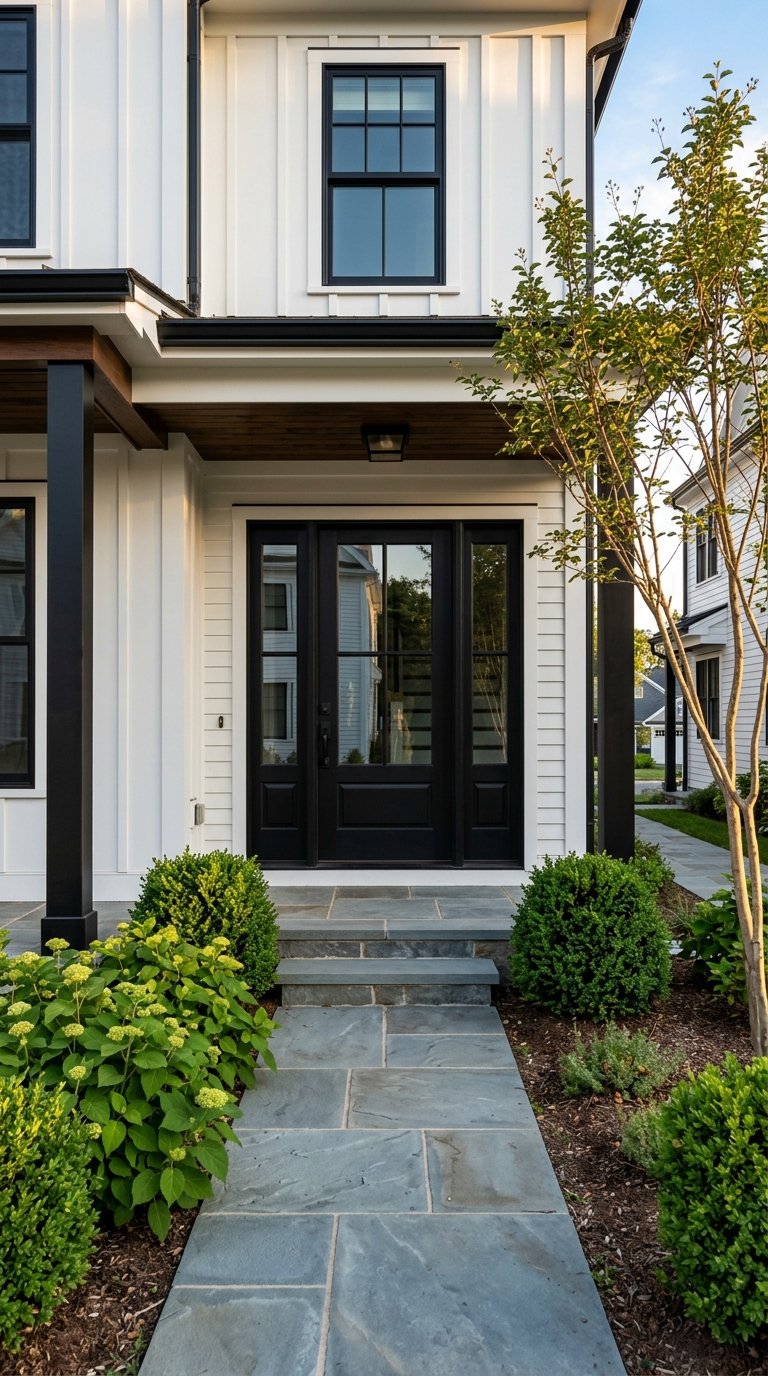
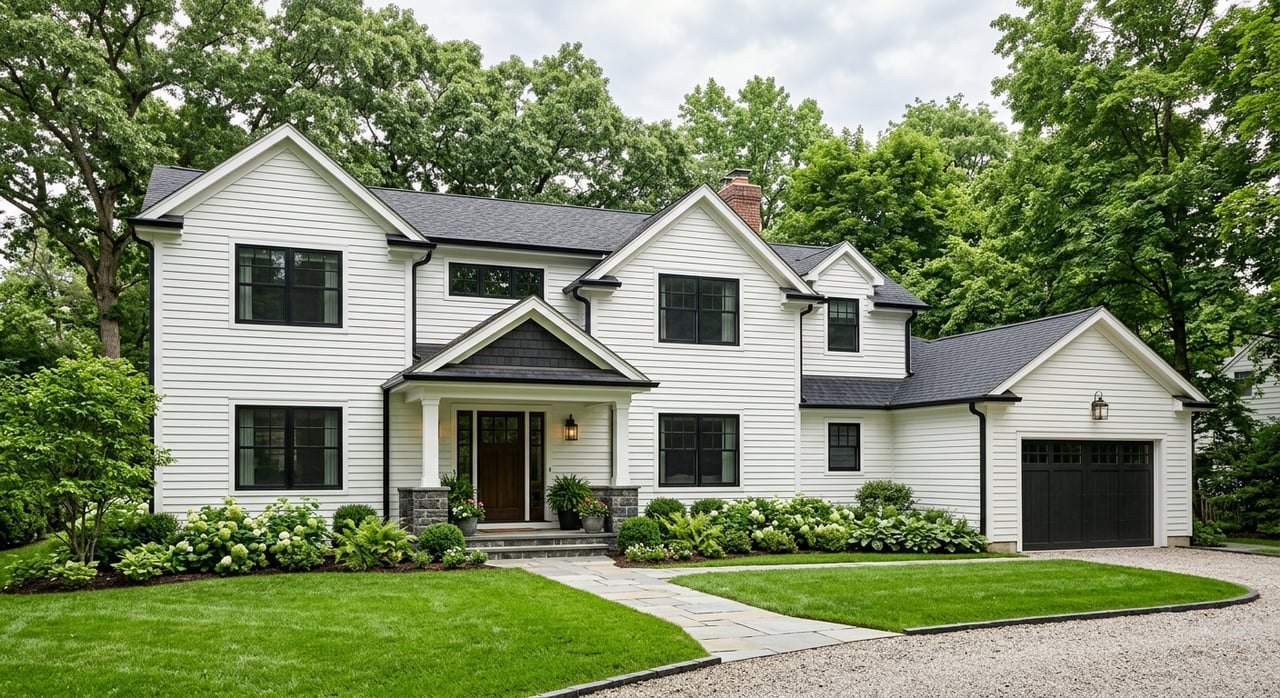
You can see that preservation mindset in the town’s architectural fabric. Local design materials reference a broad range of New England styles, including Colonial, Federal, Greek Revival, Italianate, Second Empire, Shingle Style, Colonial Revival, Georgian Revival, and Gothic Revival.
For you as a buyer or seller, this helps explain why certain parts of Andover feel especially layered and established. The built environment is not accidental. It reflects a long history that the town is continuing to protect.
Andover’s daily rhythm is not just about where you shop or how you commute. It is also shaped by civic programming, arts activity, and seasonal events that bring people into shared public spaces.
The town’s Business, Arts and Cultural Development office lists seasonal promotions such as the Summer Downtown Music and Movie series. It also notes that Andover Day draws more than 10,000 attendees and more than 250 vendors each September.
That kind of programming adds texture to life in town. Instead of weekends feeling repetitive, there are built-in opportunities to participate in events that make the community feel active and visible.
The Robb Center is another example of how community life shows up in practical ways. The town says the center offers art classes, special events, music programs, Fix-it Shop programming, and 26 fitness classes.
For residents, spaces like this can make the town feel more usable year-round. Whether you are looking for recreation, creative programming, or structured activities, these resources can become part of your regular routine.
Commuting is one of the biggest factors in how a town feels on a Monday morning. Andover has long been shaped by transportation, and that continues to influence how residents move through the region.
The town says Andover is bisected by I-93 and I-495. It also has local access from Routes 28, 133, 114, and 125, which gives drivers several ways to connect to nearby employment centers, shopping areas, and neighboring communities.
If your schedule takes you north, south, or across the Merrimack Valley, that road network is a meaningful advantage. It supports a lifestyle that is suburban but not cut off.
Andover also has two MBTA commuter rail stations on the Haverhill Line, one in Downtown Andover and one in Ballardvale. The town notes that service runs from Andover Station to North Station in Boston.
Town transportation materials also reference MVRTA service at the station, including the town shuttle and a route via South Broadway. In practical terms, that suggests residents may be able to combine rail, roadway, and local transit options depending on their routine.
For buyers thinking about convenience, this flexibility is important. Some towns offer one clear mode of getting around. Andover offers more than one, which can make daily logistics easier.
One of Andover’s strongest lifestyle advantages is its access to open space. The town lists at least 18 conservation reservations, including Retelle Reservation, Bald Hill-Wood Hill Reservation, Pole Hill Reservation, Mary French Reservation, Foster’s Pond Reservation, Castle Park Reservation, and Jenkins Quarry Reservation.
That conservation footprint shapes more than a brochure description. It affects how weekends feel, how close you are to trails and natural spaces, and how easy it is to work outdoor time into a normal week.
If you value walking, hiking, or simply having more green space around you, Andover stands out for the breadth of its options.
Two major outdoor destinations help define the town’s recreational profile. The Trustees describes Ward Reservation in Andover as 704 acres with almost 15 miles of trails.
Massachusetts also describes Harold Parker State Forest in Andover as offering 35 miles of trails, 11 ponds, and campsites. Together, those destinations give residents access to a large amount of outdoor space without needing to make it a full-day trip out of town.
The town’s Community Services Department programs Pomp’s Pond, Rec Park, and other green spaces and playgrounds. The town describes Pomp’s Pond as a summer recreation area with swimming, picnic tables, boat rentals, volleyball, and a children’s playground.
That kind of amenity adds to the everyday appeal of living here. It gives you a place to spend a warm afternoon close to home, whether you want a structured outing or something simple and local.
Andover’s outdoor offerings are not standing still. The town says the Haggetts Pond Rail Trail opened to the public in April 2026.
For current and future residents, that signals continued investment in recreational infrastructure. It also reinforces the idea that Andover’s lifestyle value is growing through both preservation and new public amenities.
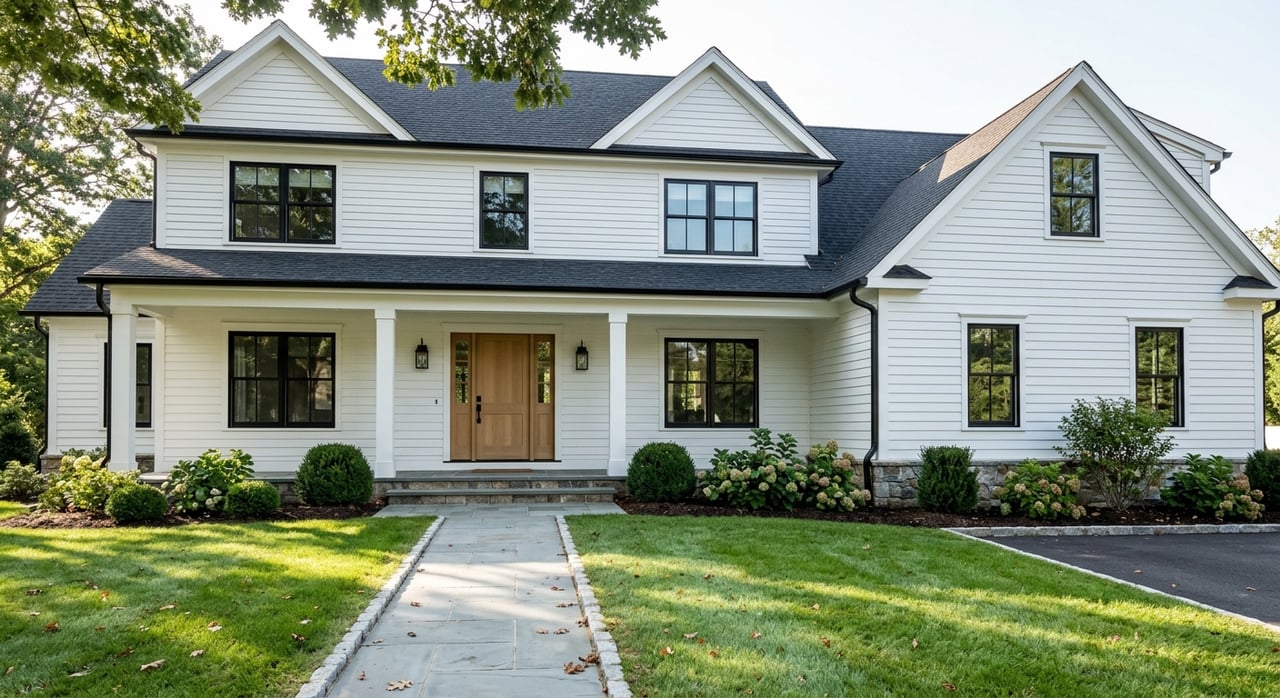
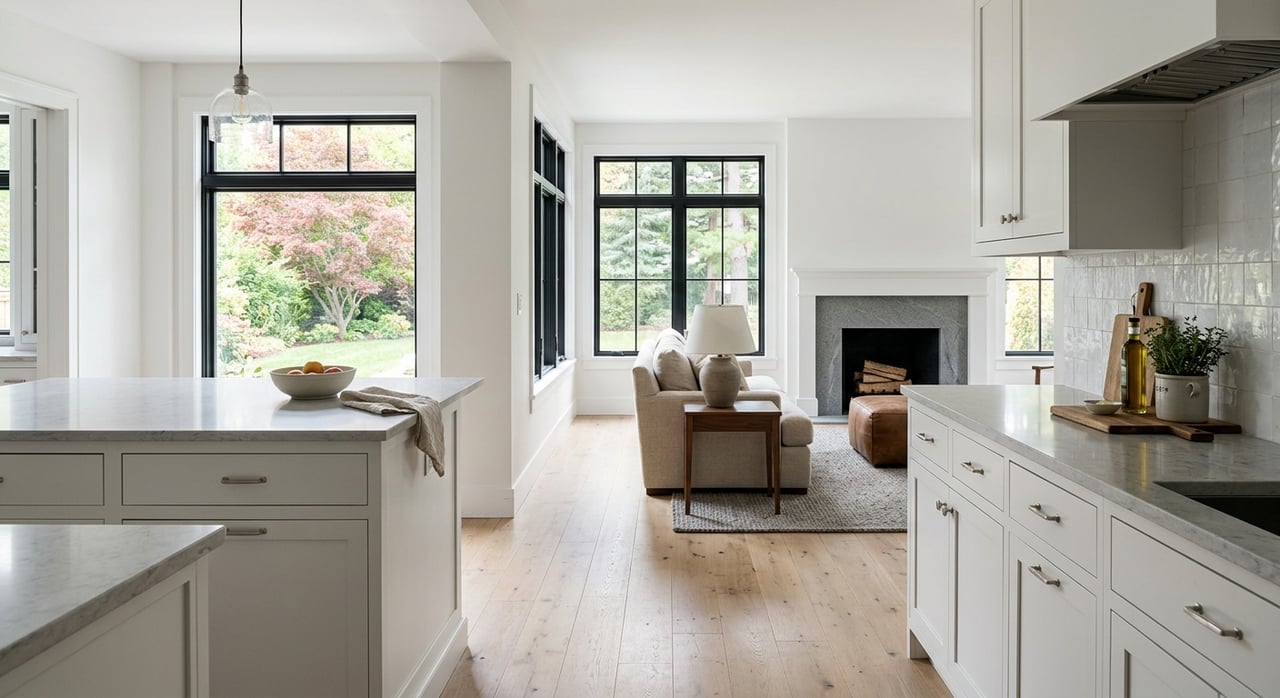
Andover’s housing stock is diverse. The town describes it as ranging from historic single-family homes to modern apartments and condominiums.
That range matters because it gives buyers and sellers more than one path through the market. Whether you are looking for a detached home with classic New England character or a lower-maintenance property closer to downtown, the town includes multiple housing types.
Housing in Andover is shaped by both historic preservation and future planning. The adoption of the Central Street Historic District in 2025 reflects the town’s commitment to protecting parts of its older architectural landscape.
In Ballardvale, the town’s historic-district materials state that visible exterior work requires review before a permit can proceed. That is useful context if you are considering a property in an area with preservation oversight.
At the same time, the town’s MBTA Communities planning work indicates that future housing change is likely to be concentrated around Andover Station, selected in part for walkability and existing density. In real terms, that points to more transit-oriented multifamily development near downtown rather than broad change across older detached-home areas.
When you put the pieces together, Andover has a clear rhythm. You have a town center that supports errands and dining, a transportation network that supports commuting flexibility, and a strong set of recreation and conservation resources that shape how people spend free time.
You also have housing options that reflect both historic character and evolving demand. That combination can appeal to a wide range of buyers, including people moving up, first-time buyers looking for commuter access, and those considering a lower-maintenance next chapter.
If you are evaluating Andover as your next move, it helps to look beyond a map or a listing sheet. The real question is how a town supports your daily routine, your weekends, and your long-term goals.
That is where local perspective matters. Whether you are preparing to buy, sell, or make a move within the area, working with someone who understands how Andover lives day to day can help you make a more confident decision. If you are thinking about your next step in Andover or nearby, connect with Kimberly Zecher.
Stay up to date on the latest real estate trends.
Work with a dedicated real estate professional who understands the Massachusetts and New Hampshire markets. From start to finish, you’ll get expert guidance, clear communication, and a strategy tailored to your goals.