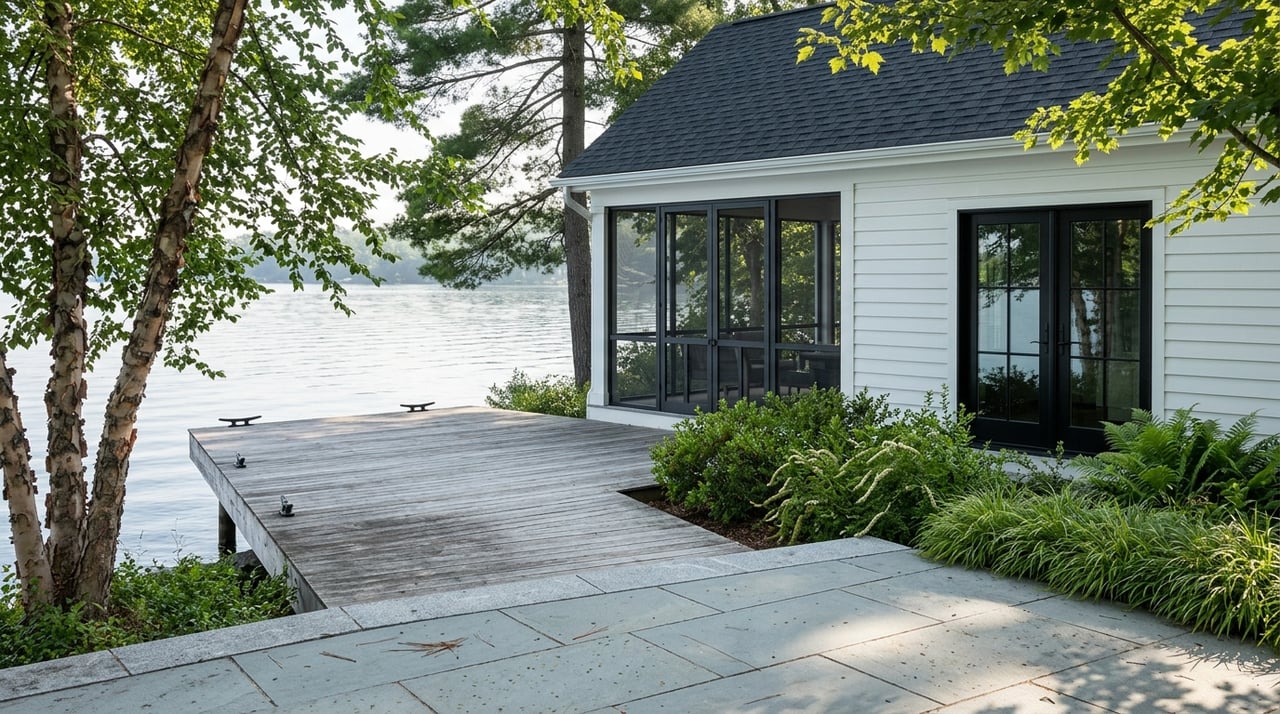
Exploring Tuftonboro NH Lake Homes for Second-Home Living
July 23, 2026
July 23, 2026
If you have been thinking about a second home in New Hampshire, Tuftonboro stands out for a simple reason: it offers the Lakes Region lifestyle many buyers picture, without losing its quiet, low-density character. You may be looking for a lakefront retreat, a seasonal cottage, or a home that gives you room to enjoy weekends, summers, and even four-season use. This guide will help you understand what makes Tuftonboro unique, what types of homes you may find, and what to check before you buy. Let’s dive in.
Tuftonboro is deeply connected to Lake Winnipesaukee. Town planning materials describe the lake as the area’s predominant feature, and the town includes 27 of Lake Winnipesaukee’s 274 islands within its boundaries. Tuftonboro also has two public beaches, several boat launches, and a broad mix of water access tied to everyday life.
The town has a distinctly seasonal rhythm. Planning data note about 2,500 year-round residents, with the seasonal population rising as high as 4,000. That pattern helps explain why Tuftonboro feels especially well suited to buyers who want a getaway property with strong ties to recreation and the outdoors.
Just as important, the local character is intentionally protected. Resident survey responses emphasized keeping the town small, protecting water quality, and keeping taxes and expenses low. The Planning Board mission also focuses on protecting the rural and recreational value of property.
If you are exploring Tuftonboro homes for sale, you will quickly notice that detached homes shape the market. The town’s housing inventory showed that 87% of housing units were detached single-family homes. In practical terms, that means your search may lean more toward cottages, lake houses, and standalone properties than large condo developments.
Seasonal ownership is a major part of the story here. In 2019, only 38% of units were occupied year-round, while 62% of the housing stock was seasonally occupied. That is one of the clearest signs that Tuftonboro functions as a second-home market.
There are some lower-maintenance ownership options, including condo communities identified in town planning materials such as Lane’s End Condominiums, Oak Knoll Condominiums, and Winmiir Condo Association. Still, the condo footprint appears limited compared with the detached-home inventory. If low-maintenance living is high on your list, it may be worth comparing Tuftonboro with nearby Lakes Region options as part of your search.
Second-home buyers are often drawn to Tuftonboro because the lifestyle is not limited to one season. The town’s master plan highlights fishing, hunting, walking, swimming, hiking, boating, cross-country skiing, and snowmobiling. That kind of four-season use can make a second home feel more practical and enjoyable throughout the year.
The 19 Mile Bay Recreation Area is identified as the town’s most developed outdoor recreation facility. For buyers who want easy access to public recreation, this is an important part of the local landscape. It adds to the feeling that outdoor living is built into daily life here, whether you visit for long summer weekends or winter escapes.
Boating is especially central to the Tuftonboro experience. The town reports several boat launches, and capital planning documents note five boat-launch access locations and two wharves owned by the town. If your ideal second home includes time on the water, that local infrastructure matters.
Lakefront and near-water homes often attract the most attention, but they also require more careful due diligence. Tuftonboro’s Lakefront Residential district applies to lots abutting Lake Winnipesaukee, Mirror Lake, Dan Hole Pond, and Lower Beech Pond, extending up to 600 feet from the water body. That means many shoreline and near-shore properties sit within a more regulated land-use setting.
State shoreland rules also matter. The New Hampshire Department of Environmental Services says the Shoreland Water Quality Protection Act applies to land within 250 feet of many lakes and ponds over 10 acres. In Tuftonboro, local zoning reflects that shoreland framework in its lakefront and wetlands districts.
For you as a buyer, this means it is smart to review any property plans, site conditions, and use limitations carefully before making a decision. If you are thinking about future improvements, dock-related questions, landscaping changes, or expansion potential, those details should be part of the conversation early.
A second home in Tuftonboro can be a wonderful fit, but the property itself matters just as much as the location. Because local infrastructure can vary from parcel to parcel, a careful review can help you avoid surprises.
Tuftonboro does not have a municipal water supply. The town’s master plan says most residences and businesses rely on private wells and wastewater systems. That makes it important to understand the age, condition, capacity, and maintenance history of these systems before you move forward.
The same planning materials note there are no septage treatment facilities in town, so waste must be hauled elsewhere. Septic pumping can cost up to $500 per visit. For seasonal owners, that is an important reminder that carrying costs can include maintenance items beyond your mortgage and taxes.
Road access deserves close attention, especially if you plan to use the property year-round. The master plan says Tuftonboro has 55 miles of roads, including some town highways that are not regularly maintained. Depending on the location, access may feel very different in peak summer compared with winter conditions.
The zoning ordinance also states that private ways serving seasonal or year-round lots should allow safe passage for both private and emergency vehicles. When reviewing a property, it helps to understand whether the road is town-maintained, privately maintained, or affected by seasonal conditions.
If you plan to work remotely or stay connected during longer visits, check service at the property itself. The town’s master plan reported that DSL is not available, cable is not available everywhere, and cell coverage is incomplete though improving. That does not mean a home will not work for remote use, but it does mean you should verify connectivity before you commit.
This point is especially relevant for buyers who want a second home that can double as a work-from-home base. A beautiful setting only goes so far if the property does not meet your practical day-to-day needs.
Taxes are always part of the second-home equation. The town’s tax collector page states the 2025 tax rate was $6.40 per $1,000, with municipal, county, local education, and state education components. Since rates can change annually, it is wise to verify the current bill and assess the full ownership cost before making affordability decisions.
You will also want to factor in seasonal maintenance, snow removal if needed, septic service, and any waterfront or private-road considerations tied to a specific property. Looking at the full picture can help you choose a home that supports the lifestyle you want without stretching your budget in ways that feel uncomfortable later.
One of Tuftonboro’s biggest strengths is its sense of space. The master plan says nearly 4,816 acres, close to 20% of town land, are conserved through public ownership and private land conservation. That contributes to the rural, open feel many second-home buyers are searching for.
This low-density pattern aligns with the goals residents expressed in town planning. The emphasis on preserving water quality, protecting the town’s small scale, and maintaining recreational value gives Tuftonboro a consistent identity. If you want a Lakes Region property that feels peaceful and less built up, that character may be a strong match.
Because Tuftonboro has a distinct housing mix, your search should start with lifestyle priorities. Think about whether you want direct water frontage, water access, a more private wooded setting, or a lower-maintenance option. In a market shaped largely by detached homes and seasonal ownership, clarity on your goals can save time and help you focus on the right listings.
It also helps to separate must-haves from nice-to-haves. For example, boating access, road maintenance, internet reliability, and private system condition may matter more in practice than cosmetic updates. A strategic search looks beyond the view and asks how the property will function for you over time.
That is where experienced guidance can make a real difference. A thoughtful home search is not only about finding an appealing property. It is also about evaluating value, understanding practical ownership details, and making a confident decision that fits how you want to live.
If you are ready to explore Tuftonboro homes for sale, Kimberly Zecher can help you evaluate available listings with a clear, strategic approach tailored to your goals.
Stay up to date on the latest real estate trends.
Work with a dedicated real estate professional who understands the Massachusetts and New Hampshire markets. From start to finish, you’ll get expert guidance, clear communication, and a strategy tailored to your goals.