Butters Row Bridge Wilmington MA: What Changes This Fall
September 3, 2026
September 3, 2026
How long does a one-year bridge closure actually take? In Wilmington, the answer so far is two years.
When the Butters Row Bridge shut down in September 2024, the town's message was simple: expect about a year without it, and Main Street would run down to one lane near the construction zone in the meantime. Two years later, that single lane is still there, and the part of the project most people picture when they hear "new bridge," actual steel and decking rising over the tracks, hasn't even started yet. It starts this fall.
That gap between what residents were told to expect and what the project's own schedule shows is the thing worth understanding if you drive Butters Row, Chestnut Street, or Main Street with any regularity. The one-lane crawl isn't a sign the work is almost finished. It's a sign the work is entering its most visible phase.
The original closure announcement came from the Wilmington Police Department in September 2024, framing the shutdown as a roughly one-year undertaking to install a new bridge. That framing made sense at the time. It also didn't hold. By December of that year, crews were still removing the old structure, working a demolition weekend on December 21 and 22 to clear it out entirely. Utility relocation, including Verizon lines tied to the MBTA railroad, carried into early 2025. An April 2025 project update from the Town of Wilmington's Department of Public Works listed substantial completion as an estimate of March 2028, not a date anyone was treating as final, but a marker of how much longer this was always going to run than a single construction season.
Night work to install excavation support systems continued through August 2025. By February 2026, crews had shifted back to day shifts, driving micro-piles alongside the railroad tracks to support the bridge's foundation, with concrete pouring for that substructure beginning as early as March 2026. The town's most recent public update, posted May 19, 2026, confirmed the micro-pile work was done and substructure construction would continue through the summer, with the next phase, superstructure work, meaning the actual beams, girders, and decking that will carry traffic, targeted for fall 2026.
Fall 2026 is now.
Laid end to end, the public timeline looks like this:
This isn't a project that's been quietly stalled. It's one that's been sequenced the way bridge replacements over active rail lines usually are, with foundation work absorbing most of the calendar before the visible structure ever appears. The contractor, identified in the town's updates as MAS, has kept pace with that sequence through each phase without a schedule slip reported so far.
Wilmington has had opinions about this bridge for a long time. Back in 2017, when the town was still debating whether a rebuilt bridge should carry one lane or two, longtime area resident Kevin Connolly told the Wilmington Town Crier, "if you solve the bridge you then have to solve the traffic going out." That tension between fixing the bridge and managing what happens once traffic clears it is still the live question for anyone routing around the construction today.
The practical difference between the last two years and the next few months is that the substructure work happening beneath and beside the roadway is about to become superstructure work happening above it. That means the equipment, the noise, and the visible progress on Butters Row will look different than it has, with beams and decking material moving into place rather than foundation work staying largely below grade. The town's own updates describe this as the phase that finally makes the bridge look like a bridge again, rather than a construction platform beside the tracks.
It also means the one-lane pattern on Main Street near Butters Row isn't going anywhere before winter. Utility work for water and sewer lines is scheduled to run alongside the superstructure phase, and the roadway approaches on either side of the new bridge aren't slated to start until spring 2027. Anyone budgeting extra minutes for that stretch of Main Street has been doing the right thing. That budget just needs to extend through at least one more construction season.
None of this has put the rest of Wilmington on hold. The Wilmington Farmers Market is in its 16th season, running Sundays from 10 a.m. to 1 p.m. through October 4, drawing the same weekly mix of produce, baked goods, and local vendors it always has. National Night Out went ahead as planned on August 4, with food available for purchase from Red Heat Tavern and coffee from the Queen Bean Coffee Truck, alongside the usual public safety displays and family activities.
The Senior Center's fall calendar hasn't slowed either. An August 14 event called Floats and Notes paired root beer floats with a live set from the Ricco Barr Band, and registration opened August 18 for a September 2 bus trip to Heath's Tea Room, with a stop afterward for shopping in Rockport Center. None of these plans reference the bridge at all, which is its own kind of evidence. Two years into a multi-year infrastructure project, the calendar that actually governs a Tuesday afternoon in Wilmington runs on its own schedule.
A few dates worth having on hand this fall:
If you already avoid Butters Row during commute hours, keep doing it. Chestnut Street has functioned as the informal alternate route for as long as this bridge has been part of local conversation, going back to the 2017 hearings where residents debated lane counts and pedestrian safety on that exact stretch. Back then, the town's own traffic study measured average daily volume on the bridge at roughly 2,700 vehicles, a number that gives some shape to why the detour patterns matter even on a road that never felt like a major corridor.
What's different this fall isn't the detour. It's the visibility of the work happening inside it. Watching beams go up over the tracks reads as progress in a way that months of foundation work never quite did, even though the schedule says this phase was always the plan, not an acceleration of it. Spring 2027 is still the target for finished roadway approaches. Whatever the eventual completion date turns out to be, the town's rhythm around it, the Sunday market, the Senior Center trips, the seasonal shift into fall programming, isn't waiting on a ribbon cutting to keep going.
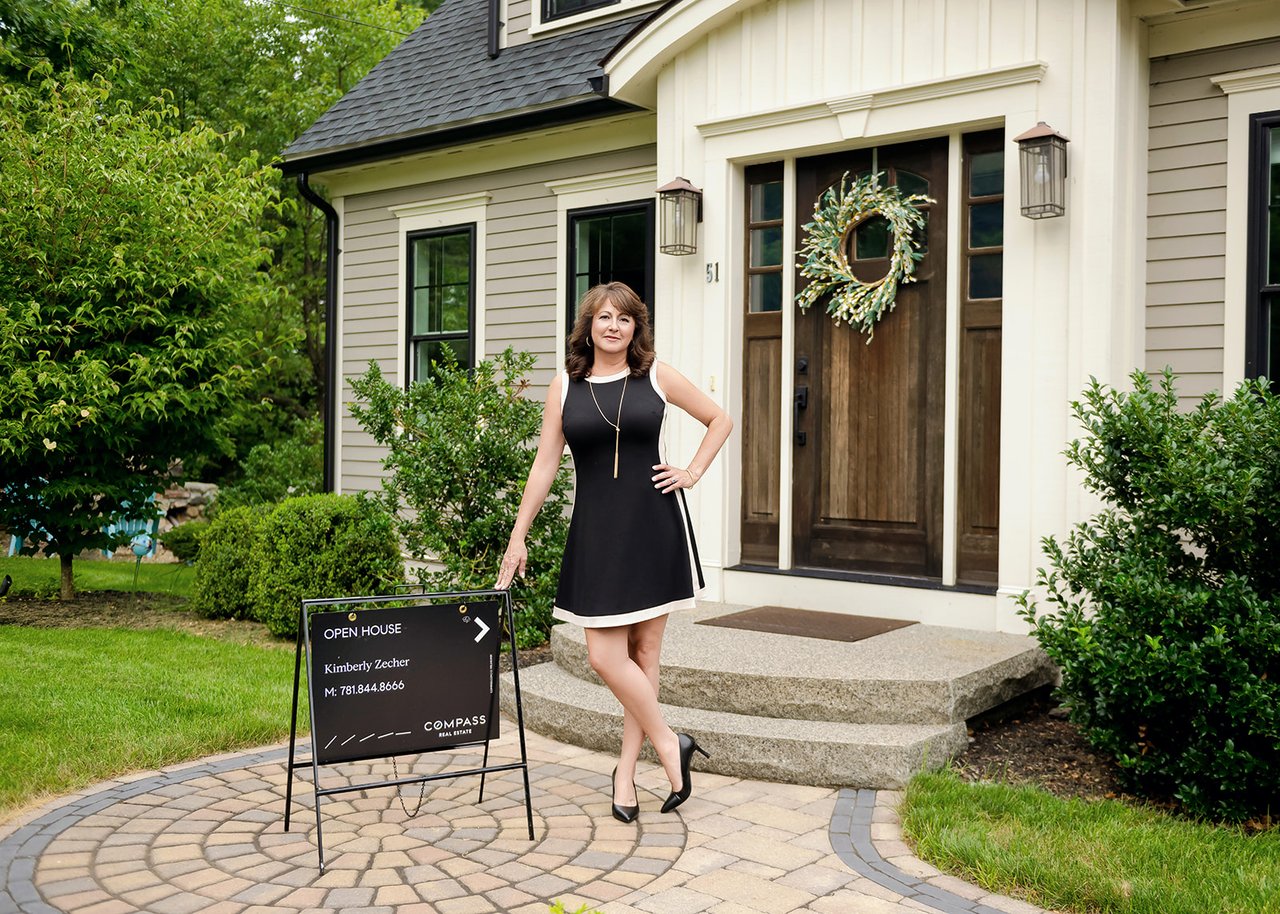
If you're weighing what any of this means for a home search on this side of town, that's a longer conversation, and one where local context like this actually matters. Kimberly Zecher works with buyers and sellers across Wilmington and the surrounding towns north of Boston, and is always glad to talk through what a specific street, project, or season means for your plans. Let's Connect.
Stay up to date on the latest real estate trends.
Work with a dedicated real estate professional who understands the Massachusetts and New Hampshire markets. From start to finish, you’ll get expert guidance, clear communication, and a strategy tailored to your goals.